



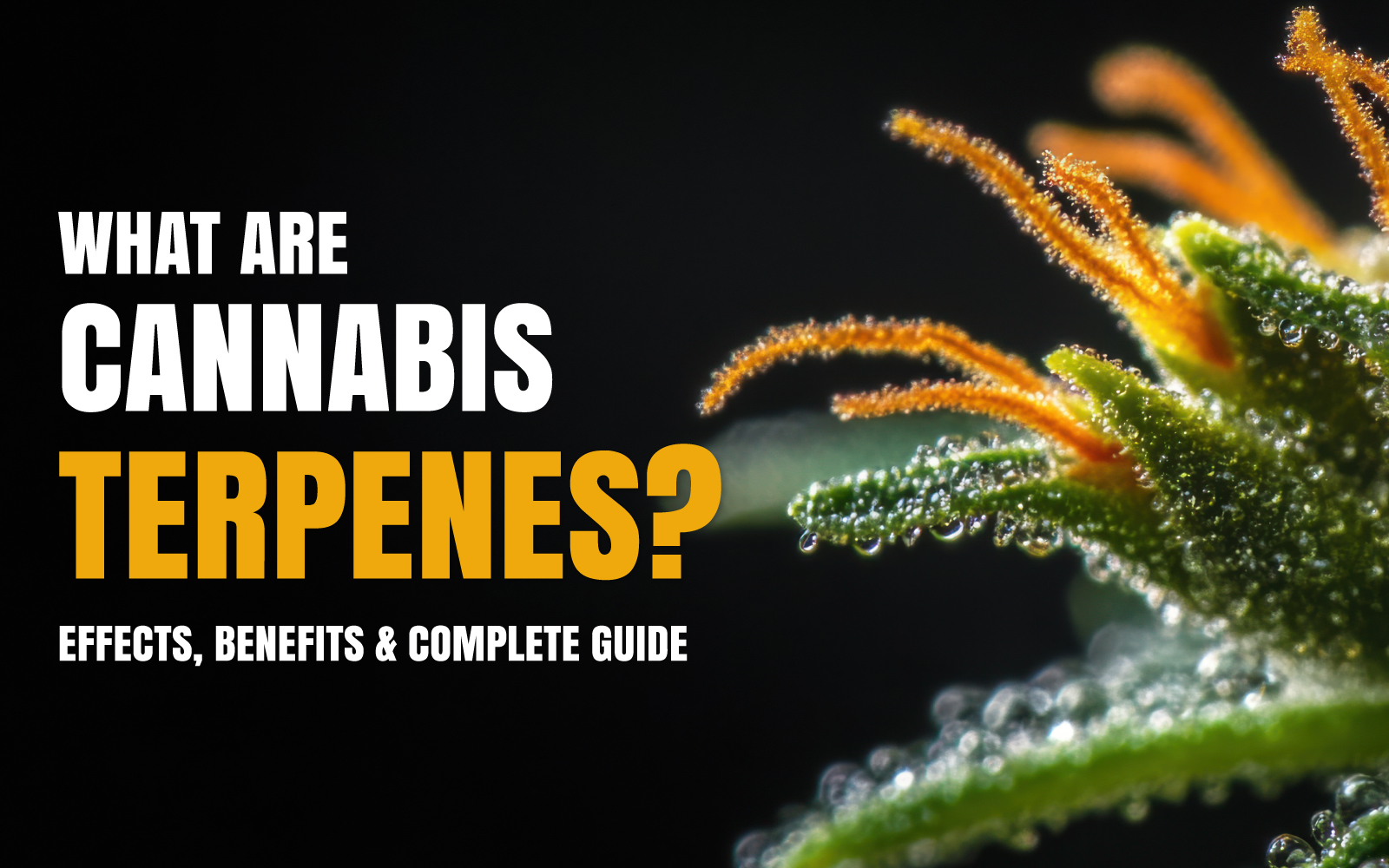
Cannabis is more than just THC and CBD. Behind the aroma, flavor, and even the unique effects of each strain lies a powerful group of natural compounds called terpenes. If you’ve ever noticed citrusy, earthy, or pine-like scents in cannabis, you’ve already experienced terpenes in action.
In this complete guide, we’ll break down cannabis terpenes explained, their effects, benefits, and why they matter more than ever for both recreational and wellness users.
Terpenes are aromatic compounds found in many plants, including Cannabis sativa. They are responsible for the distinct smell and flavor profiles of different cannabis strains.
But terpenes do much more than just smell good. In cannabis, they play a key role in shaping the overall experience, influencing how cannabinoids like THC and CBD affect your body.
Think of terpenes as the personality of a cannabis strain—while cannabinoids provide the core effects, terpenes fine-tune how those effects feel.
To fully understand cannabis terpenes, you need to look at something called the entourage effect. This is the idea that cannabinoids and terpenes work together synergistically to enhance or modify each other’s effects.
This means two strains with the same THC level can feel completely different—thanks to their terpene profiles.
Most people focus only on THC percentage, but that’s just one part of the story. Terpenes are essential because they:
In modern cannabis culture, terpene profiles are becoming just as important as cannabinoid content.
There are over 100 terpenes found in cannabis, but a few stand out as the most common and impactful.
Myrcene is often associated with the “couch-lock” effect. It’s ideal for evening use and relaxation.
Limonene is perfect for those looking for a boost in mood and energy.
Pinene is one of the most common terpenes in nature and is known for its refreshing, clear-headed effects.
If you’re looking for a soothing, stress-relieving experience, linalool-rich strains are a great choice.
Caryophyllene is the only terpene known to act like a cannabinoid, making it especially interesting for therapeutic use.
Unlike THC (which can increase appetite), humulene may help control it.
You may also like: A Beginner’s Guide To Cannabis In 2026
Beyond recreational enjoyment, cannabis terpenes offer a range of potential benefits:
Terpenes like limonene and linalool may help reduce anxiety and improve mood.
Myrcene and linalool are commonly linked to improved sleep quality.
Caryophyllene and humulene may have anti-inflammatory effects that support pain relief.
Pinene and limonene can provide mental clarity and alertness.
Some terpenes can stimulate appetite, while others like humulene may suppress it.
While both terpenes and cannabinoids are essential compounds found in cannabis, they play very different roles in shaping your overall experience.
Terpenes are primarily responsible for the aroma and flavor of cannabis—think citrus, pine, earthy, or floral notes. But beyond scent, they also influence how cannabis feels by interacting with your body and enhancing or modifying the effects of cannabinoids. This is why certain strains feel relaxing, uplifting, or calming even if they have similar THC levels.
Cannabinoids, on the other hand, are the main active compounds that directly affect the body and mind. These include well-known compounds like THC and CBD. Cannabinoids interact with the body’s endocannabinoid system to produce effects such as euphoria, pain relief, relaxation, or anti-anxiety benefits. THC is psychoactive, meaning it produces a “high,” while CBD is non-intoxicating and more therapeutic.
In simple terms, cannabinoids determine the core effects of cannabis, while terpenes shape the experience and sensation of those effects. For example, two products with the same THC level can feel completely different depending on their terpene profiles—one may feel energizing and uplifting, while another feels calming and sedative.
Understanding the difference between terpenes and cannabinoids helps you make more informed choices, allowing you to select cannabis products based not just on potency, but on the type of experience you’re looking for.
Terpenes aren’t limited to flower—they’re present in many cannabis products:
Natural terpene profiles vary by strain and growing conditions.
Some edibles are infused with terpenes to enhance flavor and effects.
Terpene-rich vape cartridges often provide a more flavorful and targeted experience.
Live resin and live rosin preserve high terpene content for a stronger aroma and effect.
Instead of choosing cannabis based only on THC %, consider your desired experience:
For relaxation:
Look for myrcene and linalool
For energy and mood:
Choose limonene and pinene
For pain relief:
Opt for caryophyllene and humulene
For sleep:
Go for high-myrcene strains
Traditional labels like indica and sativa are becoming less reliable. Today, many experts believe terpene profiles provide a more accurate way to predict effects.
For example:
This is why understanding cannabis terpenes is crucial for making smarter choices.
You may also like: Decoding Cannabis: Indica, Sativa, or Hybrid—Which is Right for You?
Terpenes are generally considered safe and are found in many everyday foods and plants. However:
Moderation and sourcing from reputable brands are key.
As cannabis science evolves, terpenes are taking center stage. We’re seeing:
In the future, consumers may choose cannabis not by strain name—but by terpene profile and desired outcome.
Understanding cannabis terpenes unlocks a whole new level of cannabis knowledge. They’re not just about flavor—they directly influence your experience, benefits, and overall satisfaction.
Whether you’re looking to relax, focus, sleep better, or manage stress, terpenes can help guide your choice far more effectively than THC percentage alone.
So next time you shop for cannabis, don’t just ask “How strong is it?”—ask:




Leave A Reply Now