
Microdosing cannabis has recently emerged as a trend that is captivating both seasoned cannabis users and newcomers alike. While cannabis consumption has been a part of human culture for centuries, the concept of microdosing is relatively new, gaining significant traction in recent years due to its potential therapeutic benefits and non-intoxicating effects.
But what exactly is microdosing cannabis, and why are so many people drawn to this practice? This blog will explore the ins and outs of microdosing cannabis, how it works, and why it has become so popular.
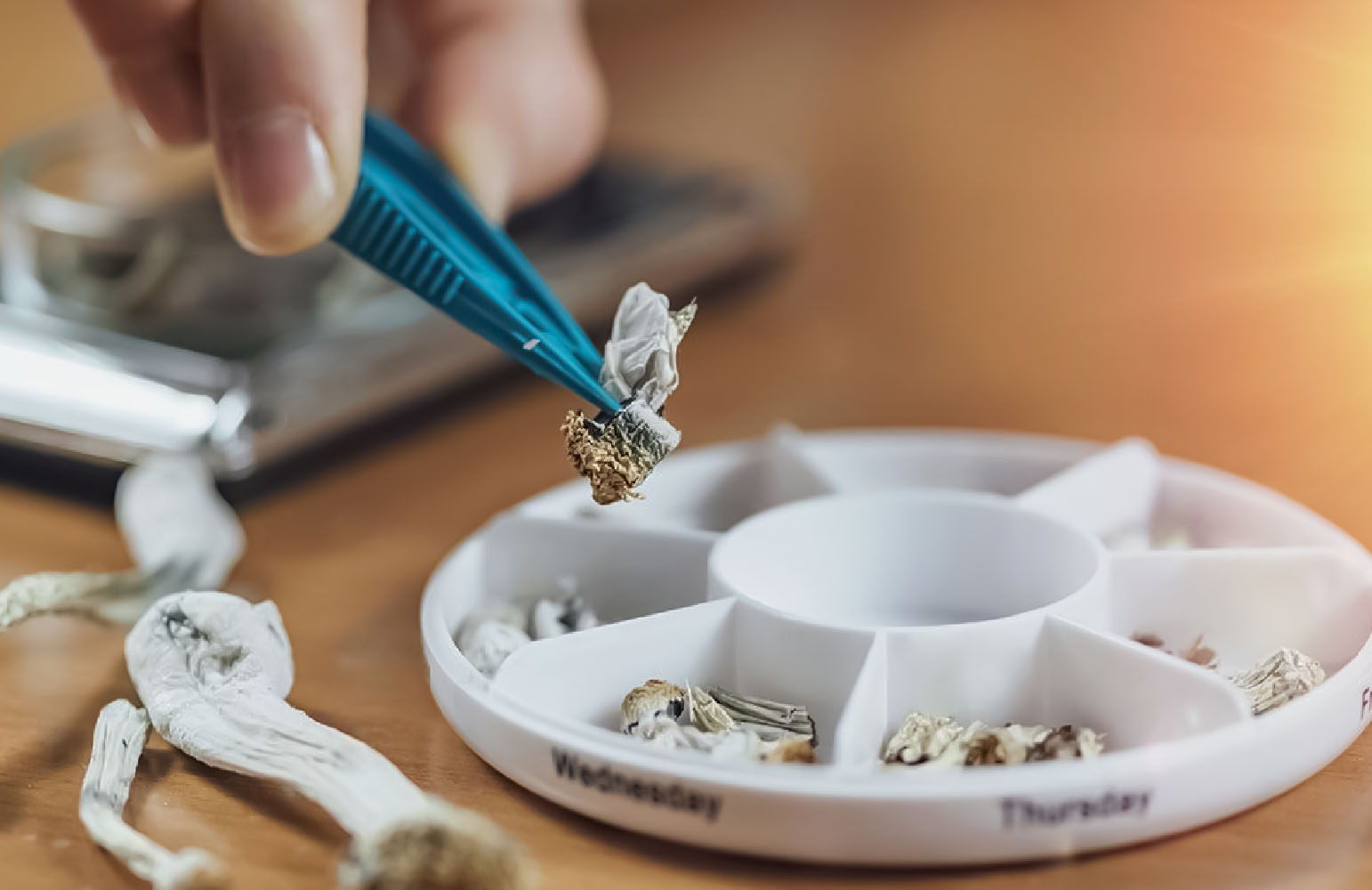
Microdosing, in its simplest form, refers to consuming very small amounts of a substance to achieve subtle effects without experiencing full-blown intoxication or impairment. Although the term is commonly associated with psychedelics like LSD and psilocybin mushrooms, the concept can be applied to any substance, including cannabis. In the case of cannabis, microdosing typically involves consuming small, controlled doses of THC (tetrahydrocannabinol), CBD (cannabidiol), or both, in amounts that are far below what most people would consider a “normal” recreational dose.
For context, a typical recreational cannabis dose might range from 10-25 milligrams of THC, depending on an individual’s tolerance and the strain’s potency. Microdosing, on the other hand, usually involves doses as low as 1-5 milligrams of THC or an equivalent amount of CBD. These amounts are low enough to avoid intoxication but still allow users to experience the therapeutic benefits that cannabis offers.
Microdosing cannabis has captured the interest of many for several reasons, ranging from its potential health benefits to its ability to improve daily functioning without the overwhelming effects of traditional cannabis consumption. Here are some of the key benefits of microdosing cannabis:
One of the most commonly reported benefits of microdosing cannabis is enhanced mental clarity and focus. Unlike higher doses, which can induce feelings of anxiety, paranoia, or clouded thinking, small doses of THC can provide a gentle lift in mood and cognitive function. Many people microdose to maintain mental sharpness throughout their day without feeling “high.” This makes microdosing particularly appealing to those who need to remain productive at work, school, or in their personal lives but want to enjoy the benefits of cannabis without the associated impairments.
For individuals who suffer from anxiety or chronic stress, microdosing cannabis can offer relief without triggering overwhelming side effects. While higher doses of THC can sometimes exacerbate anxiety, low doses tend to produce more calming effects. Cannabidiol (CBD), a non-psychoactive compound in cannabis, is also known for its anxiolytic (anxiety-reducing) properties, and when combined with THC in small doses, it can create a balanced, relaxing experience. Microdosing allows people to tap into these benefits without feeling excessively sedated or high.
Another reason people love microdosing cannabis is for its potential to enhance creativity and problem-solving abilities. Many users report that small doses of THC can help them think outside the box, break through mental blocks, and come up with new ideas or solutions. This effect can be particularly useful for artists, writers, designers, and others in creative fields who want a little boost without the cognitive fog that higher doses of cannabis can induce.
Cannabis has long been recognized for its analgesic (pain-relieving) properties, and microdosing allows users to benefit from these properties in a subtle, non-intoxicating way. For individuals who experience chronic pain or discomfort, microdosing cannabis can offer a gentle relief from symptoms without making them feel “out of it” or impaired. Many users find that small doses of THC or CBD can alleviate pain, reduce inflammation, and improve overall mobility, making it an attractive option for managing conditions like arthritis, fibromyalgia, and muscle tension.
You May Also Like: How to Store Cannabis Properly for Maximum Freshness
Microdosing cannabis is all about finding the right dosage that works for you. Unlike recreational cannabis use, where the goal is often to achieve a strong psychoactive effect, microdosing requires a more nuanced approach. Here are some tips for microdosing cannabis effectively:
If you’re new to microdosing cannabis, it’s important to start with a very low dose and gradually increase it over time. Start with as little as 1-2 milligrams of THC and observe how it affects you. Many people find that small doses of cannabis have a noticeable impact even at this low level. By starting small, you can avoid any unwanted side effects like anxiety or paranoia, which are more common with higher doses.
When microdosing, it’s helpful to keep track of your dosage and the effects you experience. Keeping a journal or using a cannabis tracking app can help you determine the ideal dosage for your specific needs. Make note of how much THC or CBD you consume, how you feel afterward, and any changes in your mood, focus, or physical symptoms. This can help you fine-tune your microdosing routine and identify the optimal dose for your individual needs.
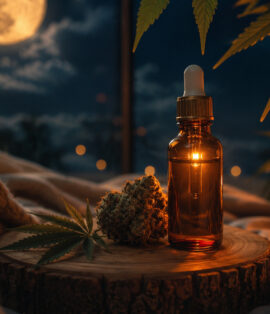
Cannabis products designed specifically for microdosing are typically formulated to contain low levels of THC, or a balanced ratio of THC to CBD. These products are available in various forms, such as tinctures, edibles, and vape cartridges, and allow users to precisely control their dosage. Many microdosing products are clearly labeled with their THC and CBD content, making it easier to find a product that fits your needs.
When microdosing, it’s best to avoid strains of cannabis that are particularly high in THC. High-THC strains are more likely to cause intoxicating effects, even in small amounts, which can be counterproductive for microdosing. Instead, look for strains that have a more balanced cannabinoid profile or products specifically designed for microdosing, which often have lower levels of THC and higher levels of CBD.
The rising popularity of microdosing cannabis can be attributed to its ability to offer a more subtle, controlled experience compared to traditional cannabis consumption. Here are some reasons why so many people love it:
Microdosing allows for a greater degree of control over the cannabis experience. Users can adjust their dosage based on their daily needs, whether they are looking for a mild mood boost, stress relief, or pain management. The flexibility of microdosing makes it suitable for people with varying tolerance levels and needs.
For many users, the most appealing aspect of microdosing is that it doesn’t produce the strong intoxicating effects that are typically associated with higher doses of cannabis. This makes it ideal for those who want the therapeutic benefits of cannabis without feeling “high” or impaired. Microdosing allows users to incorporate cannabis into their daily routine without disrupting their ability to work, drive, or engage in other everyday activities.
Microdosing cannabis is often seen as part of a broader, holistic approach to wellness. For individuals seeking to improve their overall health and well-being, cannabis can be a natural complement to other wellness practices like meditation, yoga, and healthy eating. The subtle benefits of microdosing align well with a lifestyle that values balance, self-care, and mindfulness.
Microdosing cannabis is a growing trend that offers a variety of benefits for individuals seeking subtle, non-intoxicating effects from their cannabis use. Whether for increased focus, anxiety relief, pain management, or improved sleep, microdosing provides a way to integrate cannabis into daily life without the overwhelming effects of larger doses.
As more people discover the advantages of microdosing, it’s likely that this practice will continue to gain popularity, offering a balanced and controlled approach to cannabis consumption. If you’re curious about trying it, start low, go slow, and find the right dosage that works for you!
You May Also Like: The Rise of Cannabis Beverages: A New Way to Unwind


Leave A Reply Now